
As soon as the nights get cooler and leaves start turning in Ottawa, we know two things are coming: the beauty of fall and the beginning of indoor allergy season. Every year around October, we start to hear from families who notice more sneezing, itchy eyes, and that vague “stuffy” feeling at home once the windows close and the furnace comes on.
Because we’re in so many homes across Ottawa, Barrhaven, Kanata, Nepean, Orleans, and Manotick, we see the same pattern again and again: carpets, upholstery, and drapery quietly hold on to allergens that have built up all summer. If we don’t tackle them before winter, they’ll keep circulating in the air for months.
In this blog, I want to walk you through exactly how we prepare homes for fall allergies, what we focus on, and simple habits you can keep up between professional cleanings so your family breathes easier all winter.
Why fall is a “turning point” for indoor air
During spring and summer, Ottawa homes breathe. Windows are open, doors swing wide, and there’s a steady exchange of outdoor and indoor air. Dust and pollen come in, but they also go out. Once fall hits, we seal up our homes to keep in the warmth, and that’s when everything changes.
What happens inside:
-
The furnace kicks on and starts cycling air through the same rooms over and over.
-
Dust and pet dander that settled into carpet, furniture, and drapes get stirred up.
-
Outdoor allergens like ragweed pollen and mold spores that came in on shoes and clothing now stay trapped inside.
We like to say that every fiber in your home becomes a little “filter.” That sounds helpful, but it’s only helpful if those filters are actually cleaned. Otherwise, they just keep releasing particles into the air every time you walk, sit, or open a curtain.
Where allergens really hide: the fiber “hot spots”
When we walk into a home that’s struggling with fall allergies, we focus on three key zones first: carpets and rugs, upholstery, and drapery or blinds. These are the surfaces that quietly collect the most allergens.
1. Carpets & area rugs
Carpets are like giant air filters under your feet. Over time they collect:
-
Dust and skin flakes
-
Pet hair and dander
-
Pollen and outdoor dirt
-
Tiny fibers from clothing and textiles
Vacuuming helps, but it can’t reach everything that’s become embedded deep in the pile or backing. In high-traffic areas like halls, stairs, and living rooms, we see the highest concentration of allergens because those fibers are being constantly agitated.
2. Upholstery (sofas, chairs, ottomans)
We spend most of our indoor time in the fall and winter on the couch. Oils from skin and hair bond with dust and dander, and that combination holds onto allergens like glue. Cushions, armrests, and headrests are all “hot spots.”
3. Drapery & blinds
This is the most forgotten category. Drapes and blinds hang perfectly in the path of airflow from windows and vents. They catch dust and fine particles, then release them again whenever someone brushes past or opens them. We often find a surprising amount of dust on the folds, hems, and pleats.
How we get Ottawa homes ready for allergy season
Over time, we’ve developed a fall cleaning routine that works incredibly well for families dealing with allergies or just wanting fresher air before winter. Here’s the process we like to follow.
Step 1: Thorough dry soil removal
Before we touch any moisture, we start by removing as much loose and embedded dry soil as possible. That means:
-
Slow, overlapping vacuum passes on carpets and rugs
-
Extra attention along baseboards, under furniture edges, and on stairs
-
Upholstery vacuuming with proper attachments (crevice tools, brush heads)
-
Light vacuuming or dusting of drapery and blinds
The goal is to remove the particles that are easiest to dislodge first. Think of it as clearing the “top layer” of allergens so the deeper clean can be more effective.
Step 2: Focus on entry points and traffic lanes
Most of the allergens that end up deep in your home came in through a door. So we give special attention to:
-
Entry mats
-
Hallways leading away from doors
-
The living room route (door to kitchen to family room)
-
Paths pets commonly travel
We often recommend upgrading or adding good-quality entrance mats and cleaning them regularly. They are the first line of defense against pollen, dust, and fall debris.
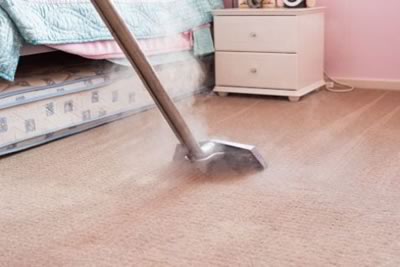
Step 3: Deep-clean carpets and rugs
For fall allergy control, we generally recommend a deep extraction cleaning of carpets and area rugs, using methods and solutions that are safe for families and pets. What we’re aiming to remove includes:
-
Fine dust that regular vacuuming leaves behind
-
Pet dander that’s settled near the backing
-
Residual soil that dulls fibers and traps allergens
A deep clean at this time of year gives you a truly fresh starting point before winter. We can often see—and you can often smell—the difference immediately.
Step 4: Upholstery reset
Next, we move to the furniture everyone uses daily. We:
-
Pre-vacuum cushions and crevices
-
Treat any spots or spills that have attracted more soil
-
Deep-clean the fabric with fiber-appropriate methods
-
Neutralize odours that clung to the fabric over time
Clients regularly tell us that their living room feels “lighter” afterward, and that they didn’t realize how much “old air” their furniture was holding onto until it was cleaned.
Step 5: Drapery and blinds cleaning
Drapery and blinds make a huge difference to indoor air quality. We gently:
-
Remove accumulated dust and fine particles
-
Clean away odours from cooking, smoke, or pets
-
Freshen the fabric without shrinking or damaging it
In rooms where people sleep or spend long evenings (bedrooms, family rooms, home offices), clean window coverings are especially important.
Habits you can keep up between professional cleanings
We can handle the big reset, but what you do day to day helps maintain a healthier environment.
Here are simple habits we recommend:
-
Vacuum smarter, not just more often. Use slow passes and work in a pattern. Focus on high-traffic areas and around furniture.
-
Brush pets near a mat or towel. Catch loose hair before it spreads everywhere.
-
Wash throw blankets and cushion covers regularly. These smaller items collect a lot of dust and are easy to freshen up in the laundry.
-
Rotate cushions. This spreads wear and dust evenly and helps avoid one “hot spot.”
-
Crack windows during dry, mild days. Even five to ten minutes of fresh air can help dilute indoor pollutants.
-
Change furnace filters on schedule. A clean filter means less dust landing back on carpets and drapes.
What a “fall reset” feels like once we’re done
When we finish a full fall cleaning focused on allergy control, our clients often say:
-
“The house just smells neutral again.”
-
“The air feels lighter, even when everything’s closed up.”
-
“I’m not waking up stuffy every morning anymore.”
You don’t necessarily want your home to smell like heavy fragrances. You just want it to not smell like dust or old air. That’s what a proper fiber cleaning should deliver.
Call-to-Action
Get ahead of fall allergies before winter hits.
If you want your carpets, upholstery, and drapery to help your air quality instead of hurting it, we’d be happy to help. We’ll do a full fall reset so your family can breathe easier all season.📞 Call 613-733-7250 or ✉️ email admin@cleanit.ca to request your free estimate.
We serve Ottawa, Barrhaven, Kanata, Nepean, Orleans, and Manotick.
Family Pride in Every Job.