
January is the month when people finally slow down enough to notice their homes again. The holidays are over, decorations come down, guests leave, and families across Ottawa, Barrhaven, Kanata, Nepean, Orleans, and Manotick settle into winter routines. That’s also when many homeowners suddenly realize something feels off — the house looks clean, but it doesn’t feel clean.
In my experience, that feeling almost always comes from upholstery. Sofas, chairs, sectionals, ottomans, and dining chairs work harder in winter than any other season. We sit more. We lounge more. Pets cuddle more. Blankets pile up. Windows stay closed. Heating systems circulate the same air day after day. And all of that activity ends up trapped in fabric furniture.
That’s why January is one of the most important months of the year for upholstery cleaning. In this blog, I’ll explain why winter upholstery cleaning matters so much, what I see inside Ottawa homes every January, and how a professional deep clean can completely change how your home feels for the rest of winter.
Why Upholstery Suffers Most During Ottawa Winters
People often associate winter mess with floors, but upholstery quietly takes on just as much wear — if not more.
Here’s what happens in Ottawa homes once winter sets in:
1. More time spent sitting
During January, families in Kanata, Nepean, and Orleans spend evenings watching TV, reading, working from home, and relaxing indoors. Upholstery absorbs body oils, sweat, and daily residue faster than any other surface.
2. Pets live on the furniture
Cold weather keeps pets inside. Dogs curl up on sofas. Cats nap on armrests. Pet hair, dander, and oils embed deep into fabric fibers.
3. Winter clothing transfers contaminants
Jackets, scarves, hats, and sweaters carry salt residue, moisture, and outdoor pollutants. When you sit down, that transfers directly to your upholstery.
4. Closed homes trap odors
With windows shut across Ottawa during winter, odors from cooking, pets, fireplaces, candles, and daily living get trapped in furniture fabrics.
5. Dry indoor air increases dust
Heating systems dry the air, causing dust and fabric fibers to circulate more freely — and settle into upholstered furniture.
By January, even well-maintained homes usually have upholstery that’s overdue for a reset.
What I Notice First When I Enter Homes in January
When I arrive at a home in January — whether it’s in Barrhaven, Manotick, or downtown Ottawa — I can often tell within minutes whether upholstery needs attention.
Common signs include:
-
Fabric that looks dull or darkened
-
Cushions that feel stiff instead of soft
-
A faint “winter smell” in the room
-
Pet hair embedded in seams
-
Stains that reappear after spot cleaning
-
Fabric that feels sticky or oily to the touch
-
Increased dust settling on surfaces
Many homeowners tell me they vacuum regularly and wipe down hard surfaces, but upholstery is often overlooked until it starts affecting comfort and air quality.
Why January Upholstery Cleaning Is More Effective Than Spring Cleaning
Many people assume upholstery should be cleaned in spring, but in Ottawa’s climate, winter cleaning delivers far better results.
Here’s why:
1. Winter contaminants haven’t fully set
By January, buildup is still relatively fresh. Waiting until spring allows oils, salt, and dirt to bond more tightly to fibers.
2. Heating systems help drying
Indoor heating actually helps upholstery dry faster than during damp spring weather.
3. You benefit immediately
You spend most of your time indoors in winter — that’s when clean furniture matters most.
4. It improves indoor air quality during peak season
January is when indoor air quality is at its worst. Cleaning upholstery removes contaminants at the source.
5. It protects your furniture investment
Regular winter cleaning prevents permanent discoloration, fabric breakdown, and early replacement.
My January Upholstery Cleaning Process
When I clean upholstery in Ottawa-area homes during January, I follow a careful, fabric-specific process designed for winter conditions.
1. Fabric Identification & Testing
Every piece of furniture is different. I begin by identifying:
-
Fabric type
-
Weave structure
-
Color stability
-
Previous cleaning residue
-
Existing stains or wear
Testing ensures the cleaning method is safe and effective.
2. Thorough Pre-Vacuuming
Before any moisture is used, I remove:
-
Loose dust
-
Pet hair
-
Crumbs
-
Dry debris
-
Surface contaminants
This prevents dirt from turning into muddy residue during cleaning.
3. Spot & Stain Treatment
January upholstery often has:
-
Food stains
-
Grease marks
-
Makeup residue
-
Pet accidents
-
Beverage spills
I treat each stain individually using fabric-appropriate solutions to lift contamination without damaging fibers.
4. Deep Upholstery Cleaning
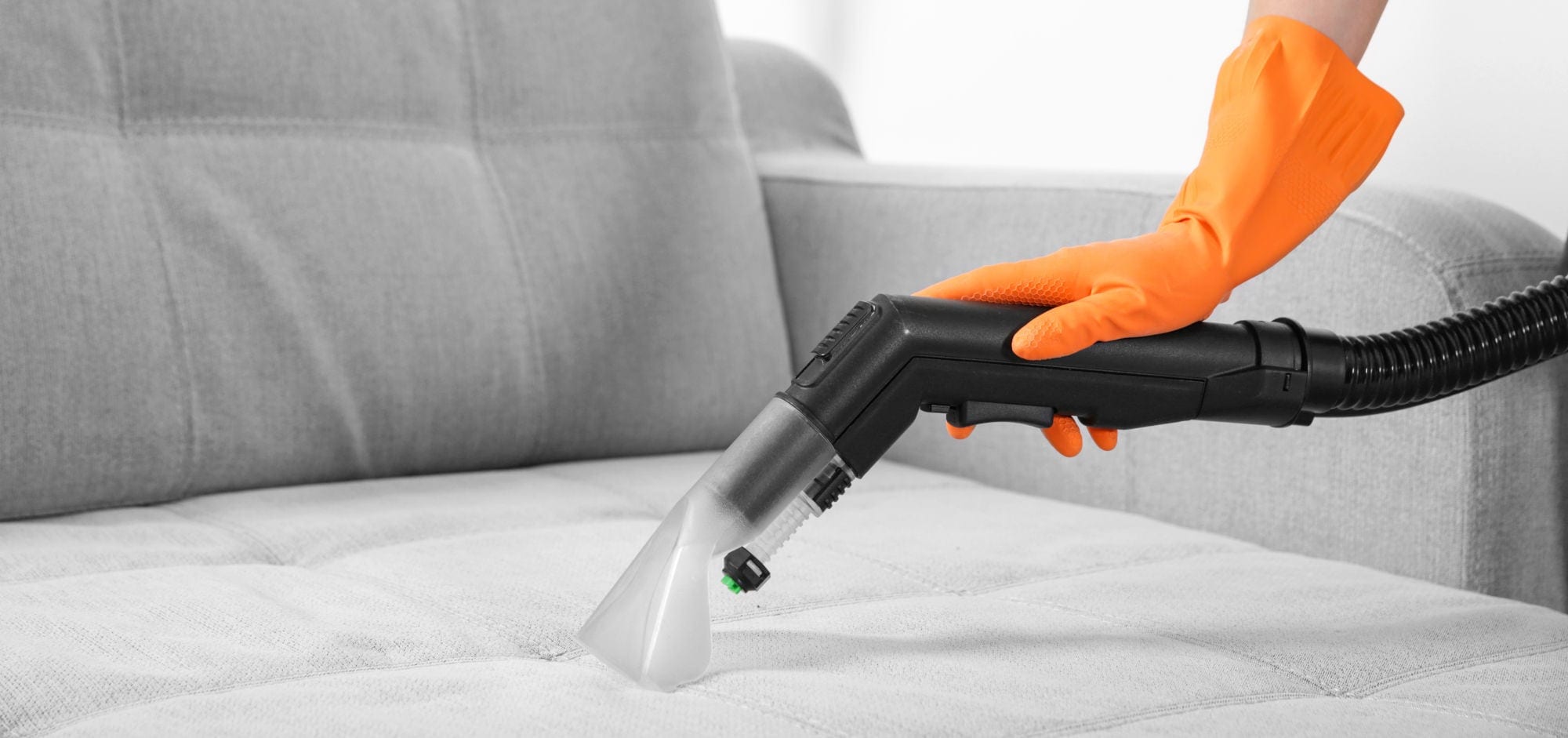
Depending on fabric type, I use:
-
Low-moisture cleaning
-
Controlled hot-water extraction
-
Gentle hand-cleaning for delicate fabrics
This removes embedded oils, allergens, and odors while protecting fabric structure.
5. Odor Neutralization
Winter odors are stubborn because homes are sealed. My process removes odors at the source instead of masking them, leaving furniture smelling clean — not perfumed.
6. Fast, Safe Drying
I ensure proper airflow so furniture dries quickly and evenly. This prevents damp smells and allows families to use their furniture comfortably the same day.
How Clean Upholstery Improves Winter Comfort
After a January upholstery cleaning, homeowners across Ottawa often tell me they notice:
-
Softer, more comfortable furniture
-
A fresher smell in the room
-
Less visible dust settling
-
Reduced allergy irritation
-
A brighter, cleaner appearance
-
A calmer, cozier atmosphere
Because upholstery is such a large surface area, cleaning it has an outsized impact on the entire home.
Why DIY Upholstery Cleaning Often Causes Problems
Many homeowners try to clean upholstery themselves during winter, but I often see DIY efforts lead to issues such as:
-
Overwetting
-
Water rings
-
Shrinkage
-
Residue buildup
-
Stains returning
-
Long drying times
-
Fabric stiffness
Winter conditions make these problems worse. Professional equipment and technique prevent these risks.
Homes That Benefit Most from January Upholstery Cleaning
In my experience, upholstery cleaning is especially beneficial in:
-
Homes with pets
-
Families with children
-
Homes with frequent guests
-
Open-concept living spaces
-
Homes with allergies or sensitivities
-
Properties with light-colored furniture
Across Ottawa, Barrhaven, and Kanata, these households see the biggest improvement after a January reset.
Simple Habits I Recommend After Upholstery Cleaning
To keep furniture fresh all winter, I suggest:
-
Vacuum upholstery weekly
-
Rotate cushions regularly
-
Use washable throws in pet zones
-
Blot spills immediately
-
Avoid heavy fragrances
-
Keep humidity balanced
-
Brush pets often
These habits extend the life of your upholstery and maintain comfort.
What Homeowners Tell Me After January Upholstery Cleaning
Clients across Ottawa consistently say:
-
“The furniture feels brand new.”
-
“The house smells so much fresher.”
-
“I didn’t realize how dirty it had gotten.”
-
“My allergies feel better.”
-
“It feels cozier and cleaner.”
That reaction is why January upholstery cleaning is one of my favorite services to provide.
Final Thoughts
Winter is when upholstery works hardest — and January is the best time to give it the care it needs. By cleaning furniture during the coldest months, you improve comfort, protect your investment, and create a healthier indoor environment when you need it most.
I’ve seen the difference this makes in homes across Ottawa, Barrhaven, Kanata, Nepean, Orleans, and Manotick, and it’s one of the simplest ways to transform your home during winter.
If your furniture doesn’t feel as fresh or comfortable as it should, January is the perfect time to take action.
Professional Call-to-Action
If you want your upholstery clean, fresh, and comfortable this winter, I’d be happy to help.
Book your January upholstery cleaning today.
📞 613-733-7250
✉️ admin@cleanit.ca
Proudly serving Ottawa, Barrhaven, Kanata, Nepean, Orleans, and Manotick.
Family Pride in Every Job.